
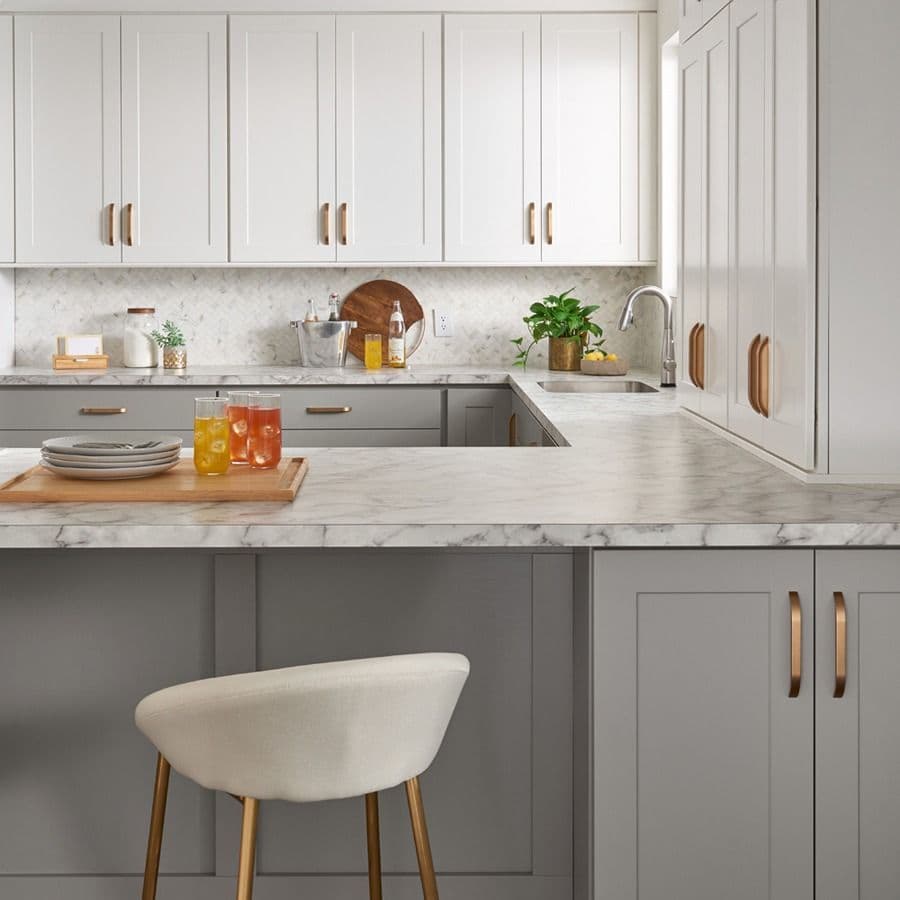
How to Maintain Painted Cabinetry: A Homeowner’s Guide
Painted cabinets can give your kitchen, bathroom, or laundry room a clean, modern look or a timeless, classic feel. But unlike stained wood, painted finishes require a bit more care to keep them looking fresh and flawless. Fortunately, with the right maintenance routine, you can extend the life of your cabinetry and preserve its finish for years.
Why Painted Cabinets Need Special Care
Painted finishes sit on top of the wood rather than soaking in like a stain. This means your cabinetry is more vulnerable to chipping and scratching (particularly on the edges and corners), peeling and bubbling from moisture damage, sticky grease buildup, and fading and yellowing over time.
The good news? Consistent, gentle care can keep your cabinetry looking beautiful.
Daily & Weekly Cleaning Tips
To maintain your cabinets’ appearance, you need to keep them clean. Regularly wipe them down with a soft microfiber cloth and a mixture of mild dish soap and warm water. After cleaning, wipe the cabinets thoroughly to prevent moisture from seeping into seams or edges. Address fingerprints, spills, and splatters as soon as you notice them, especially if it involves coffee, wine, or tomato-based sauces.
Avoid abrasive scrubbers, scouring sponges, or even magic erasers, as these can dull or scratch the finish. Additionally, avoid using and storing harsh chemicals, bleach, and ammonia-based cleaners.
Managing Grease and Grime in the Kitchen
Kitchen cabinets are especially prone to buildup from cooking oils. To maintain painted finishes, clean areas near the stove and range hood more frequently using a stronger (but still gentle) degreasing solution. Before cleaning the whole surface, test the cleaner on a hidden spot first.
Preventing Chips and Scratches
Even durable cabinet paint can be damaged by impact or friction. To protect your painted cabinets, be mindful of high-touch areas, including around handles, knobs, edges, and corners, and avoid hanging damp towels, as moisture and friction can weaken paint over time. Consider installing soft-close hinges to reduce slamming and bumpers on cabinet doors to minimize impact, as this can weaken the paint’s bond.
Protecting Against Moisture
Moisture is one of the biggest threats to painted cabinetry. To avoid water-related damage, use exhaust fans when cooking and showering, wipe up spills immediately, and don’t let water sit along cabinet seams or near the sink.
In areas like bathrooms or laundry rooms, proper ventilation is key to preventing peeling or bubbling paint.
Dealing with Chips and Touch-Ups
Minor wear is normal over time, but quick fixes can prevent bigger issues.
Keep leftover paint from your original cabinet project
Use a small artist brush for precise touch-ups
Lightly sand the area if needed before applying paint
Allow proper drying time before using the cabinets (it may take 30 days for them to fully cure, making them highly susceptible to smudges and scratches.
For larger areas of damage, you may want to invest in professional refinishing to get a flawless result.
Environmental Factors That Affect Paint
Your home’s environment can play a bigger role than you may realize.
Humidity — High moisture levels can soften paint and lead to peeling.
Temperature Fluctuations — When cabinets expand and contract, the finish can become stressed.
Sunlight — UV exposure can cause fading or yellowing, especially on white cabinets.
Consider installing blinds, using ventilation fans more often, or placing a dehumidifier in humid areas. These simple fixes can make a huge difference.
Long-Term Care and Maintenance
To keep painted cabinets looking new, you should do a deep clean every few months, check periodically for loose hardware and tighten as needed, inspect for early signs of wear (especially in high-use zones), and avoid prolonged exposure to direct sunlight, as this can fade paint.
You should also avoid direct contact with painted surfaces to avoid oil transfer from your hands.
When to Repaint or Refinish
Even with excellent care, painted cabinetry may eventually need refreshing. If you notice widespread chipping, peeling, discoloration, or yellowing, or if you simply want to update the color to fit your current style, you may want to invest in a professional repainting or refinishing.
A professional job can give your space a whole new look without a full replacement.
Don’t Neglect Your Painted Cabinets
While painted cabinetry can make any space look cleaner and more modern, it requires gentle care and consistent upkeep to stay looking nice. By cleaning regularly, preventing damage, and addressing minor issues, you can save yourself time and money, as well as preserve one of the most eye-catching features in your home.
Check Out Our Reviews

Mitch and the Rosewood Team are true pros! Outstanding quality with great communication and attention to their clients’ budget. They recently repaired an exterior door for me that I was certain would need replacing. They did excellent work and saved me several thousand dollars compared to what a full replacement would have cost.
Mitch and his group do an amazing job at window replacement. New windows help with home efficency, noise, and so many other things. If you are looking for new windows, I would give them a call, it is well worth the time to talk to them about how they can help you.
The team from Rosewood did an amazing job installing this set of doors to complete a project of turning this room into my wife’s home office. They are kind, competent, and very skilled! They did a great job installing and putting the finishing touches to these doors.
All around a top notch and professional contractors. I had a great experience with their customer service in getting a quote and set up for a cabinet painting job at my home. The team lead for the project Ben and his crew member Drake were very professional and friendly. They did a phenomenal job on our cabinets and cleaned up everything thoroughly. Couldn’t have asked for a better team!
Great company with good communication and quality work. I have used them for two projects so far and satisfied with both. Pricing is reasonable and they are flexible to adjust the bid as needs require. Highly recommended.




Contact Us

Mon-Fri: 8:00am-5:00pm
Sat-Sun: Closed