
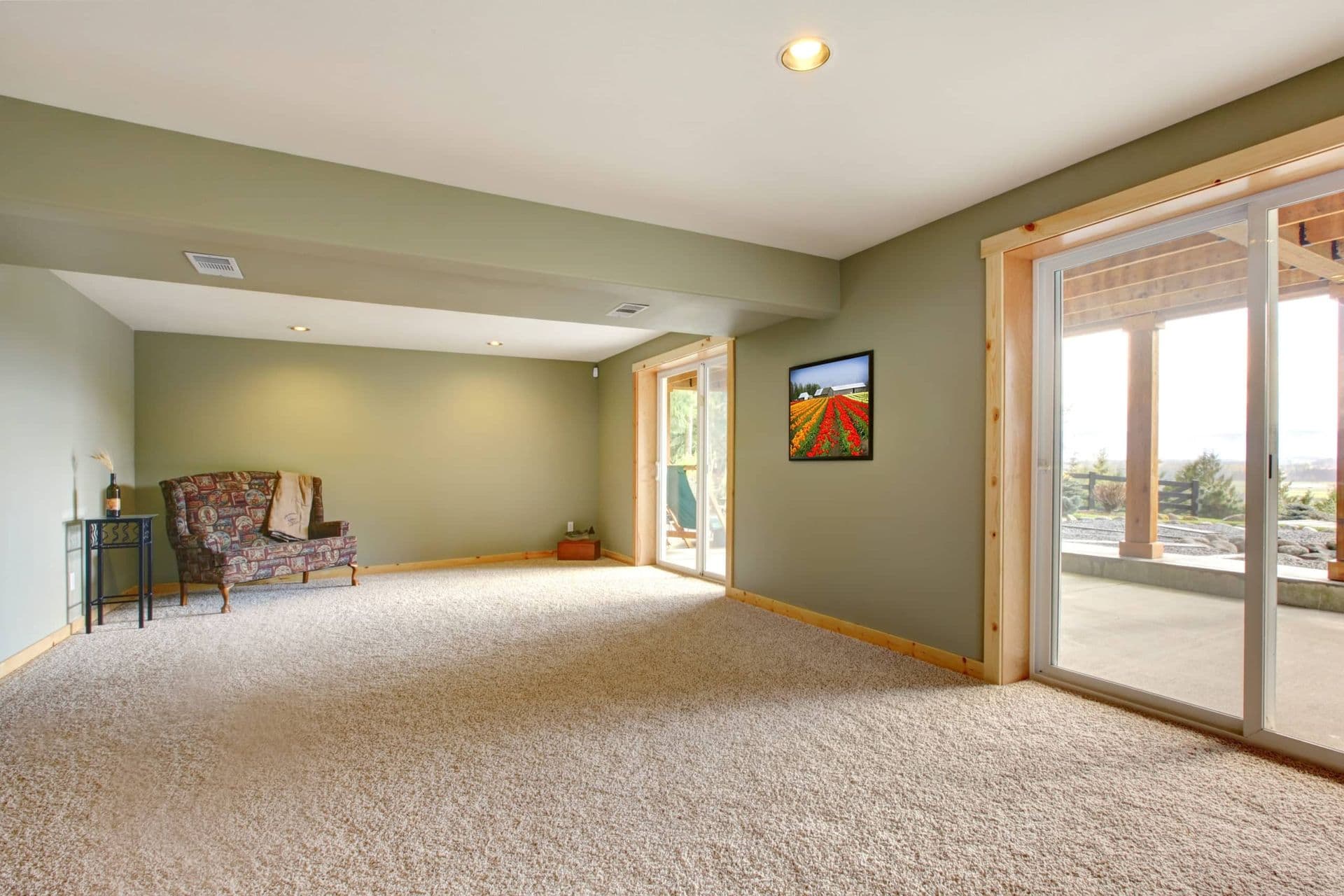
Why You Should Consider Finishing Your Basement
If your basement is currently unused or serving as nothing more than storage space, you may be missing out on one of the most valuable opportunities in your home. Finishing your basement can dramatically improve your living space, boost your home’s value, and enhance your overall lifestyle. Here’s why you should consider this upgrade.
Maximize Your Home’s Usable Space
When you finish your basement, you effectively increase your home’s square footage without the cost or hassle of a full addition. Instead of building outward or upward, you can transform a space you already own into something functional and comfortable.
Whether you want a home office, gym, guest suite, or playroom, a basement renovation allows you to design a space that fits your lifestyle.
Increase Property Value
A finished basement can be a major selling point for potential buyers. It adds livable square footage, which can significantly increase your home’s resale value.
Buyers often see a finished basement as a move-in-ready bonus space, something that sets your home apart in a competitive market. While the exact return on investment varies, many homeowners recoup a large portion of their remodeling costs when selling.
Create a Versatile Living Area
One of the biggest advantages of a finished basement is its versatility. Unlike main-level spaces that often have defined purposes, basements can be customized for multiple uses, such as:
Entertainment room or home theater
Guest bedroom or in-law suite
Kids’ playroom or teen hangout
Workout or wellness space
Rental unit or Airbnb opportunity
This adaptability makes it one of the most practical upgrades you can make.
Improve Energy Efficiency
An unfinished basement can result in a significant loss of energy. Properly finishing the space by adding insulation, sealing gaps, and installing efficient lighting can help regulate your home’s temperature.
A finished basement also often stays naturally cooler in the summer and warmer in the winter, reducing strain on your HVAC system and potentially lowering energy bills.
Add Income Potential
If your basement has a separate entrance or can be easily modified to include one, you could turn it into a rental unit. Whether you’re considering a long-term tenant or a short-term rental, this space can generate additional income and help offset your mortgage or renovation costs.
Be sure to check local building codes and zoning regulations before pursuing this option.
Enhance Comfort and Livability
A dark, unfinished basement can feel cold and uninviting. Finishing the space with proper lighting, flooring, and wall treatments can transform it into a warm, cozy, and welcoming extension of your home.
Adding features like a bathroom, kitchenette, or built-in storage can further improve comfort and usability.
Create Better Organization and Storage
Finishing your basement doesn’t mean you have to forego storage. Built-in shelving, closets, and multi-purpose furniture can provide much-needed organization while also maintaining a clean, finished appearance.
Instead of being filled with cluttered boxes and forgotten items, your basement becomes an efficient and intentional part of your home.
Customize to Your Needs
Unlike pre-designed spaces, a basement renovation lets you start with a blank canvas. You can tailor every detail from layout and lighting to materials and finishes to match your personal style and functional needs.
This level of customization ensures the spaces work for you now and can evolve as your needs change.
Basement Finishing Considerations
Before jumping into renovations, there are a few factors to consider first:
Waterproofing — Before anything else, you need to address moisture, as basements are naturally prone to dampness, leaks, and humidity. You may need to seal foundation cracks, improve drainage, or add a sump pump to prevent water damage and mold growth.
Insulation and Temperature Control — Basements tend to be naturally cooler than the rest of the home, which means you need proper insulation for below-grade spaces. This will help you regulate temperature and make the space more comfortable.
Electrical and Plumbing Needs — Adding plumbing and electrical systems can increase costs, but it’s easier to install them during renovation than retrofit later. Ensure you have enough outlets and proper lighting circuits, and plan for any future upgrades.
Budget and Timeline — Basement projects can vary widely in cost depending on size, materials, and features. Be sure to set a realistic budget, include a contingency for unexpected issues, and account for the time you’ll need for getting permits and inspections.
An Unfinished Basement Equals Unlimited Potential
Finishing your basement is one of the most practical ways to unlock your home’s full potential. It transforms an underused area into a functional, comfortable space that can adapt to your needs, whether that’s extra living space, better organization, or additional income. It also adds long-term value and appeal to your home, making it a smart investment for both today and the future.