

A fresh coat of paint can completely transform a space, but only when it’s done correctly. Many homeowners attempt DIY painting projects to save money, only to end up with uneven finishes, peeling paint, or colors that don’t look anything like they imagined. Professional painters know that great results come from adequate preparation, proper technique, and extensive experience.
Here are some of the most common painting mistakes, and how professionals avoid them to deliver flawless, long-lasting results.
1. Skipping Proper Surface Preparation
The Mistake: Painting over dirty, damaged, or glossy surfaces without proper preparation.
Why It’s a Problem: Dust, grease, grime, cracks, and peeling paint can prevent new paint from adhering properly, leading to bubbling, cracking, or early failure.
How Professionals Avoid It: Professionals thoroughly clean surfaces with soapy water, repair imperfections, sand where needed, and remove loose paint before applying a single coat of paint.
2. Using the Wrong Type of Paint
The Mistake: Choosing paint based on color alone without considering finish, durability, or the room’s function.
Why It’s a Problem: Flat paint in high-traffic areas stains easily, while the wrong paint type in bathrooms or kitchens can lead to moisture damage and mold.
How Professionals Avoid It: Pros select paint specifically designed for each area of your home, such as washable finishes for living areas, moisture-resistant paint for bathrooms, and durable coating for trim and doors.
3. Ignoring Primer (or Using It Incorrectly)
The Mistake: Skipping primer or assuming paint-and-primer-in-one works for every situation.
Why It’s a Problem: Without proper priming, stains can bleed through, colors may appear uneven, and paint adhesion can suffer.
How Professionals Avoid It: Professional painters know when primer is essential — on new drywall, repaired areas, dark-to-light color changes, and stained surfaces — and apply the right primer for the job.
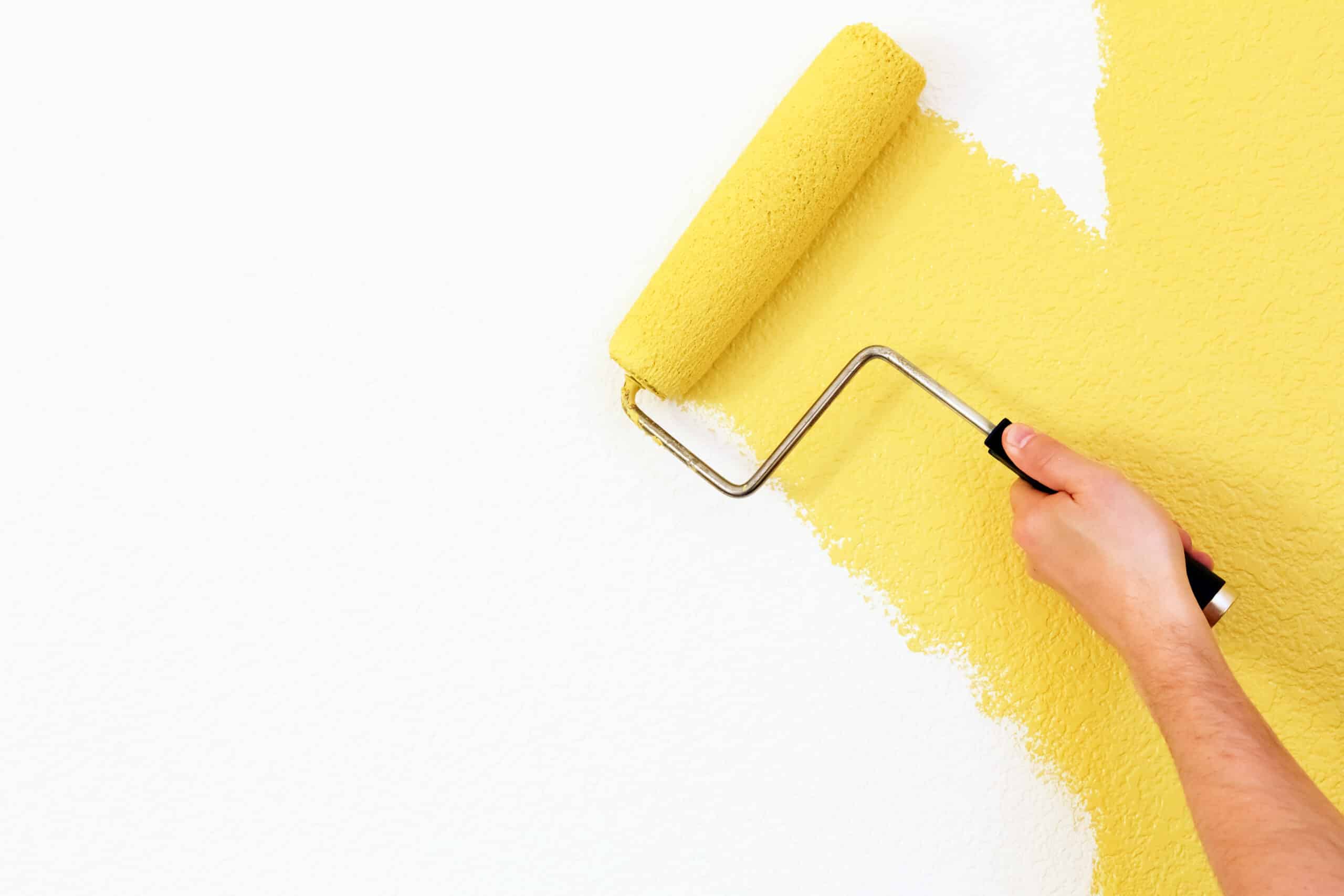
4. Poor Paint Application Techniques
The Mistake: Overloading rollers, using cheap tools, uneven brush strokes, or inconsistent pressure.
Why It’s a Problem: This leads to lap marks, streaks, drips, and visible roller texture.
How Professionals Avoid It: Experienced painters use proper rolling techniques, high-quality tools, and a consistent technique to ensure smooth, even coverage and clean lines.
5. Not Allowing Proper Drying Time
The Mistake: Rushing to apply the next coat or moving furniture back too soon.
Why It’s a Problem: Insufficient drying time can cause smudging, peeling, or tacky surfaces that attract dust and debris.
How Professionals Avoid It: Pros follow manufacturer-recommended drying and curing times, factoring in humidity and temperature to ensure the paint sets correctly.
6. Neglecting to Protect Surrounding Areas
The Mistake: Minimal taping or skipping drop cloths altogether.
Why It’s a Problem: Paint splatters and marks on floors, trim, fixtures, or furniture can be difficult and costly to remove.
How Professionals Avoid It: Professional painters carefully mask trim, cover floors, and protect furnishings, keeping your home clean and damage-free throughout the project.
7. Choosing Colors Without Testing Them First
The Mistake: Selecting a color based on a small paint sample or online image.
Why It’s a Problem: Lighting, room size, and surrounding decor can dramatically change how a color looks on your walls.
How Professionals Avoid It: Pros often recommend testing sample patches on walls and observing them at different times of day before committing to a final color.
8. Underestimating the Scope of the Project
The Mistake: Assuming you can complete painting over a weekend, only to run out of time, patience, or materials.
Why It’s a Problem: You’ll end up with half-finished rooms, rushed work, or inconsistent results.
How Professionals Avoid It: Professional painters plan every detail, from materials and labor to timelines, ensuring they can have enough time to complete the project efficiently and to a high standard.
Why Hiring a Professional Painter Makes a Difference
Professional painters don’t just apply paint; they also manage every detail to ensure beautiful, lasting results. From surface prep and product selection to expert application and cleanup, their experience helps minimize costly errors and deliver a polished finish you can enjoy for years.
If you want a stress-free painting experience and results you’ll love, working with a professional may be the best investment.
Take Your Time When Painting to Avoid Mistakes
The difference between a DIY painting result and a professional finish often comes down to preparation, product knowledge, and technique. By avoiding common painting mistakes, like skipping prep work, using the wrong materials, or rushing the process, you can ensure smooth, durable, and visually stunning results you’ll love for years to come.

