

When deciding to paint your walls white, you may think you can quickly run to the hardware store and pick up a can. But once you step into the paint aisle, you’ll discover there are hundreds of shades of white. And each shade can look dramatically different depending on the lighting, surrounding colors, and even the time of day.
Choose the right white paint, and you have a space that feels crisp and inviting. Choose the wrong shade the room can feel cold and flat. Below, we’ll explain the nuances of white paint, so you can confidently pick the perfect shade for your project.
Not All Whites Are Created Equal
White doesn’t refer to a single color but a spectrum. Each shade has subtle undertones that influence how it looks on your walls. These undertones are what separate a warm, cozy white from a cool, modern one.
Common undertones in white paint:
Warm Whites — Warm whites have yellow, cream, red, or beige undertones.
Cool Whites — Cool whites have blue, gray, or green undertones.
Neutral Whites — Neutral whites have minimal undertones to create a more balanced appearance.
Even if paint looks “pure white” on a swatch, those undertones will become more noticeable once you brush it on your walls.
Lighting Changes Everything
Lighting plays one of the biggest roles in how white paint appears on your walls.
Natural Light
North-Facing Rooms — North-facing rooms typically have cool, softer lighting that can make white look gray or blue.
South-Facing Rooms — South-facing rooms receive warm, bright light that enhances creamy or warm tones.
East-Facing Rooms — East-facing rooms are warm in the morning and cooler later in the day.
West-Facing Rooms — West-facing rooms are cooler in the morning and warmer in the evening.
Artificial Light
Warm Bulbs (Soft Light) — Soft light brings out the yellow or creamy tones in white.
Cool Bulbs (Daylight) — Cool light highlights blue or gray undertones.
A white that looks perfect in the store can appear completely different in your home, which is why you should test shades on walls before committing.

The Impact of Surrounding Elements
White paint reflects and reacts to everything around it. Before buying white paint, consider the flooring in the room (warm wood vs. cool tile), cabinetry and trim colors, furniture and decor, and countertops and backsplashes.
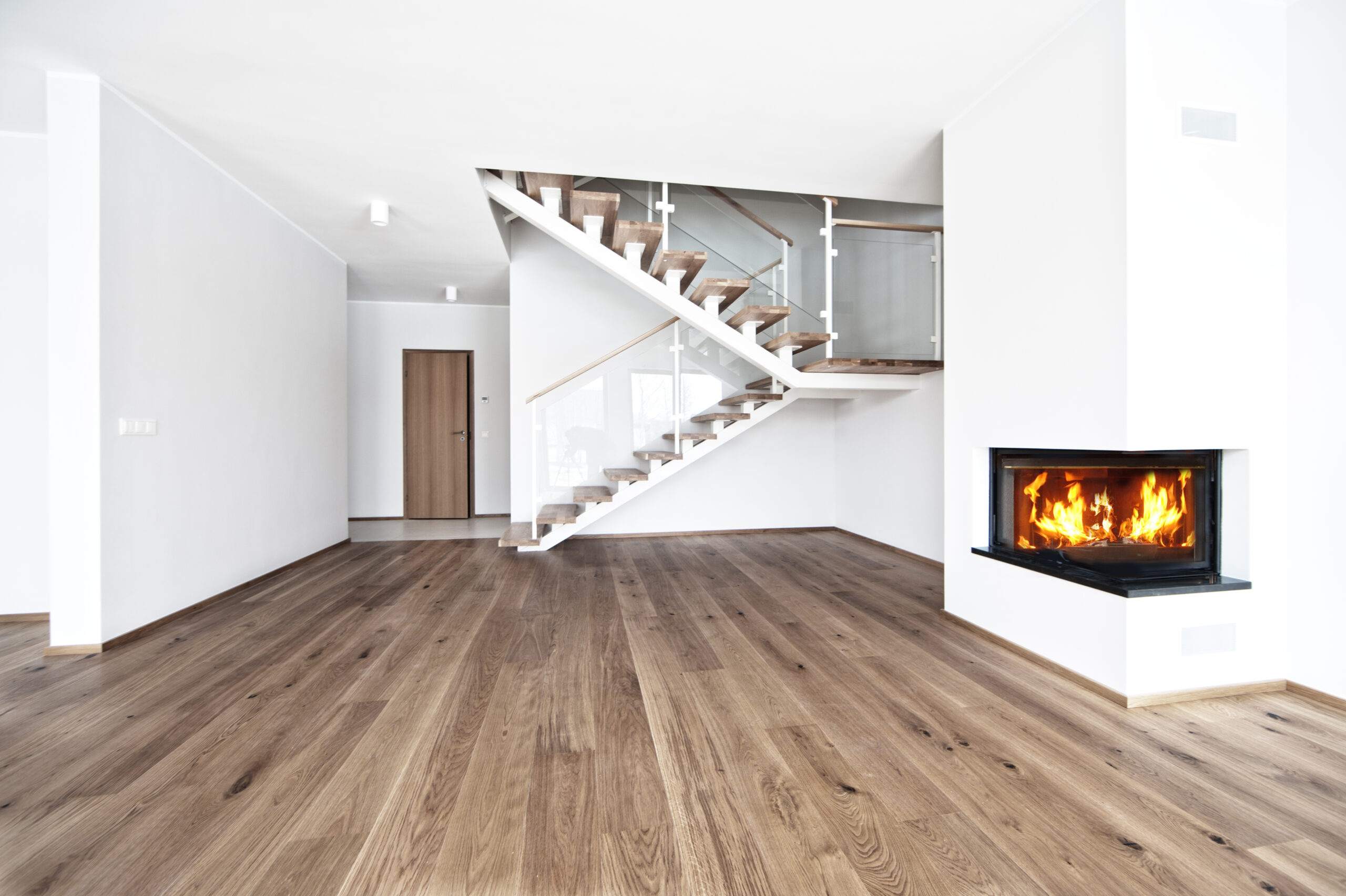
For example, a cool white next to warm wood floors may look stark or even slightly blue, while a warm white could make the room look balanced, warm, and inviting.
Popular Types of White Paint
Crisp, Clean White — This shade is bright and modern with minimal undertones. It works well on trim and ceilings and in contemporary spaces.
Warm White — Warm white is soft, creamy, and inviting. Use this shade in living rooms, bedrooms, and traditional spaces.
Soft White/Off-White — This shade is muted with gray or beige undertones. It’s perfect for creating a cozy, relaxed atmosphere.
How to Choose the Right White
If you feel overwhelmed in the paint aisle, follow these steps to help make your decision easier:
Identify Your Room’s Lighting — Figure out how much natural light your space gets and its direction. This helps determine whether you should lean warm or cool.
Consider the Mood You Want — To make the space feel bright and airy, choose a crisp white. To make it feel cozy and welcoming, choose a warm or soft white, and for a calm and modern atmosphere, try a neutral or slightly cool white.
Compare with Fixed Elements — Match white paint to elements that won’t change often, like flooring, cabinets, or countertops.
Test Samples — Paint small sections on multiple walls and observe them during the morning and evening, and in natural or artificial light. This is the most important step, as what looks good on a small sample strip can behave very differently on a full wall.
Don’t Forget About the Finish
The sheen of your paint also affects how white appears. Flat or matte finishes are soft and hide imperfections, eggshell or satin finishes are durable with a slight sheen, and semi-gloss or gloss finishes are reflective and work best on trim and cabinets.
White is Not a One-Size-Fits All Paint
White paint may seem simple, but it’s one of the most nuanced design choices you can make. The right shade can elevate your entire space, while the wrong one can make the space feel cold, flat, or stark.
When picking out a white for your home, take your time, test your options, and pay attention to lighting and undertones. The right white will look good and feel right in your home.

