
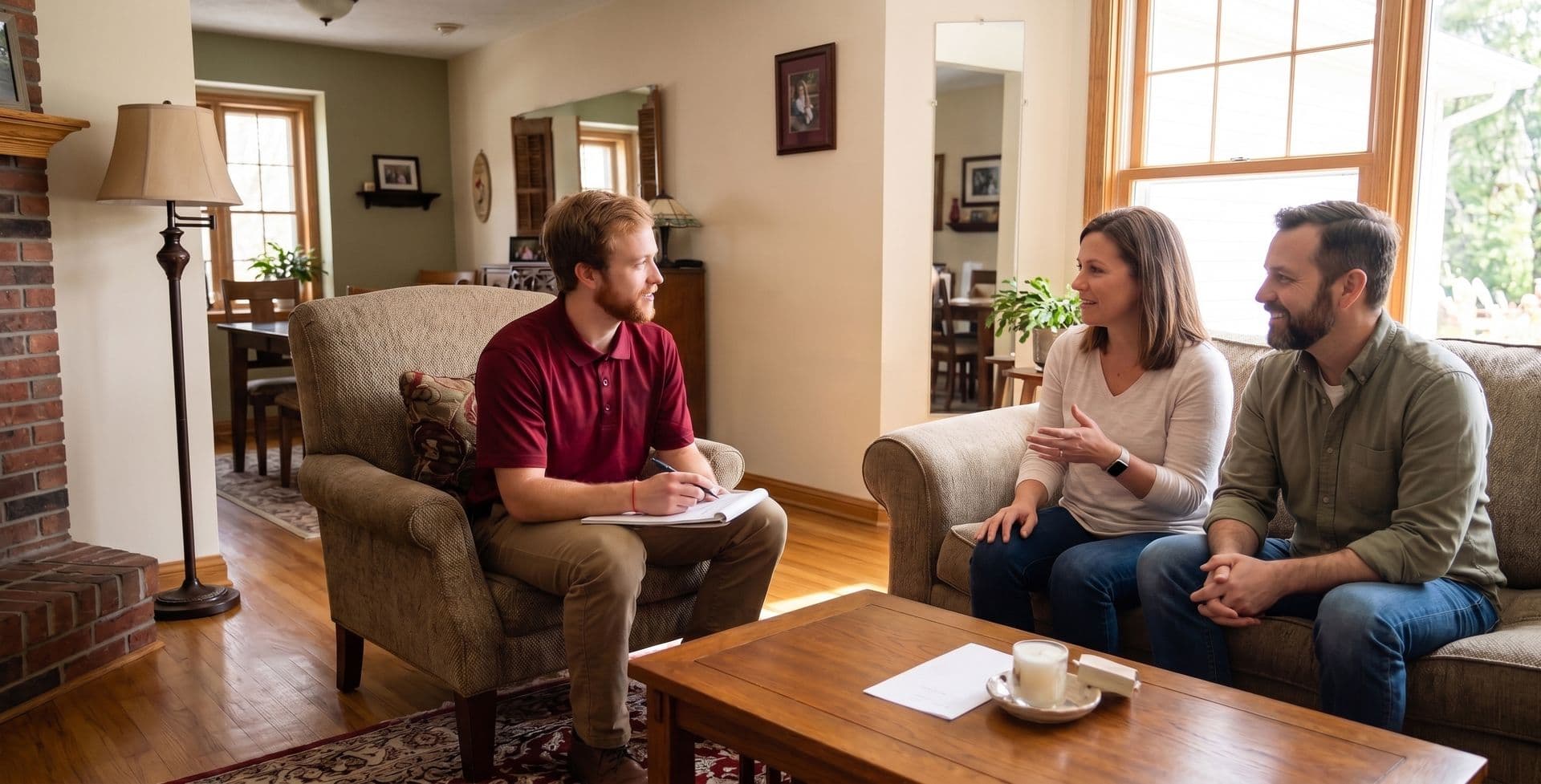
HOW TO PREPARE FOR A PAINTING ESTIMATE: A Utah Homeowner's Guide
Inviting a contractor into your home can feel like a gamble. You are likely wondering if you are about to deal with a high-pressure pitch, a vague lowball quote that doubles later, or a contractor who seems more interested in closing the sale than understanding your project.
Trust isn't built by having the lowest price or the slickest sales presentation. It's earned by answering questions honestly, being transparent about pricing, and giving homeowners the information they need to make the best decision for their home. That's the standard we've committed to while serving homeowners throughout the Wasatch Front, and it's exactly why we created this guide.
This guide is designed for homeowners in Layton, Weber County, Davis County, and surrounding Utah communities who want an accurate estimate, a clear project timeline, and zero surprises. Whether you end up working with us or another contractor, being prepared for your initial appointment helps your contractor understand your goals, creates a more detailed proposal, reduces the changes of unexpected scope changes, and allows you to move forward with confidence. It also gives both sides the opportunity to decide if the project is the right fit before any work begins.
In this guide, we'll cover everything you need to know before your painting consultation, including how to prepare your home, what questions to ask, what information your contractor will need, what to look for in a proposal, and how to compare estimates beyond just the final price.
WHY PREPARING FOR YOUR HOME PAINTING ESTIMATE SAVES YOU TIME AND MONEY
An educated homeowner always gets the best painting job. Why? Because when you know what to look for, contractors cannot cut corners on surface prep, skimp on paint quality, or hand you an ambiguous single-number quote.
Taking 15-20 minutes to prepare before your estimator arrives speeds up the entire timeline. It allows us to give you a more accurate, detailed proposal on the spot, identify potential structural issues early, and secure your spot on the production schedule weeks faster than a standard back-and-forth bidding process.
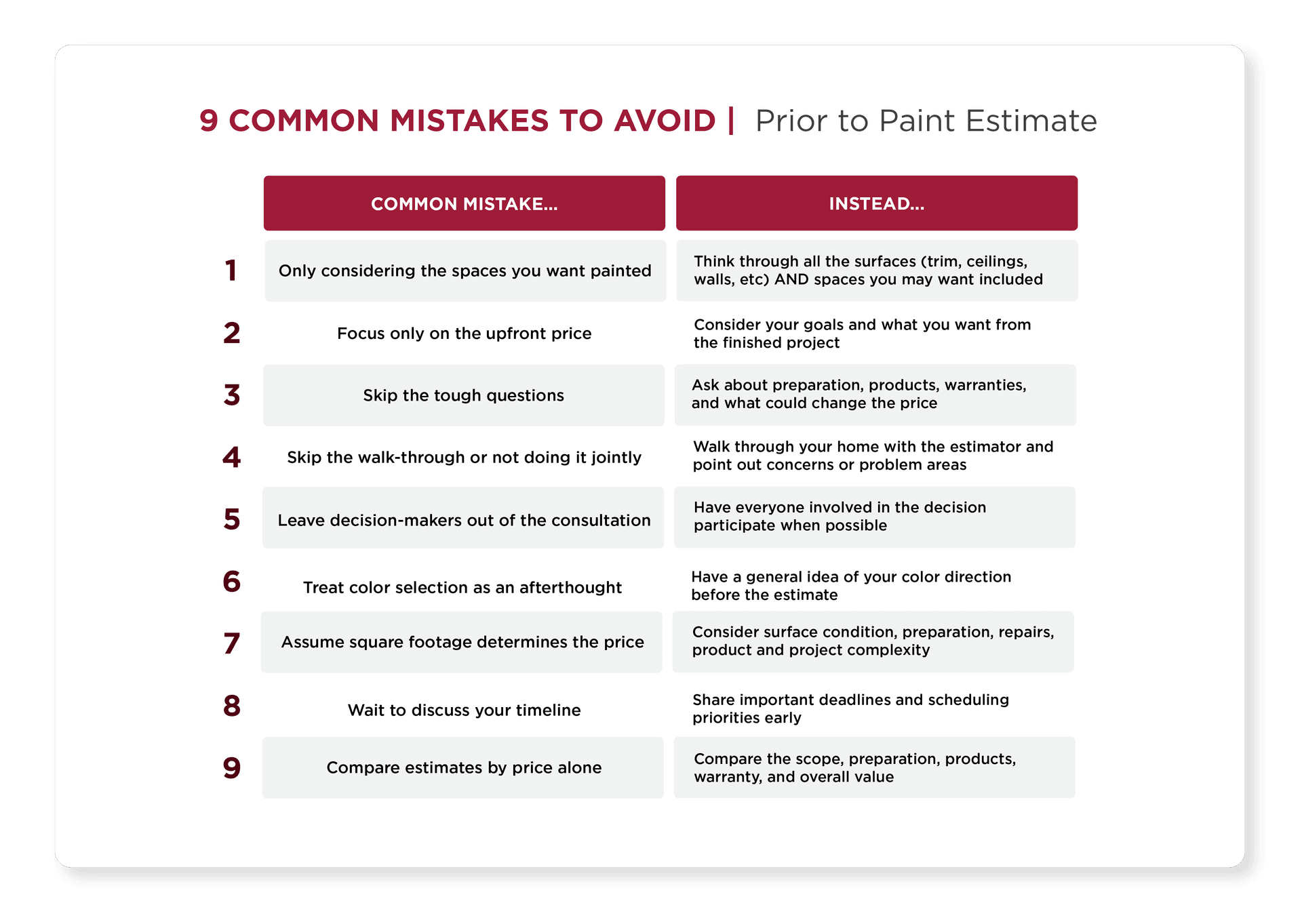
9 MISTAKES NORTHERN UTAH HOMEOWNERS MAKE BEFORE A PAINTING ESTIMATE: And How to Avoid Them
1. Not Knowing the Full Scope of Your Painting Project
Before your estimator arrives, list every single surface you want refreshed. Don't just think "living room"—think about:
- Interior walls, ceilings, doors, baseboards, and trim
- Kitchen and bathroom cabinet refinishing
- Exterior siding, stucco, brick, and fascia
- Fences, decks, and garage doors
Even if you are on the fence about a specific room, ask to include it. It is much faster for us to provide itemized, optional pricing during the visit than to revise proposals later. You can explore our full range of painting service options on our Painting Services Page.
How Rosewood approaches estimates: We often provide multiple pricing options so homeowners can prioritize projects based on their goals and budget.
2. Focusing Only on Upfront Cost Instead of Long-Term Goals
If your only criterion is finding the cheapest bid, we will be completely honest: Rosewood is not a low-end, budget painting company. The lowest estimate may look appealing at first, but a cheaper price can sometimes mean less preparation, lower-quality materials, limited warranty coverage, or important details being left out of the scope of work.
Before comparing numbers, start by asking yourself a more important question: What problem am I trying to solve with this painting project?
Consider questions like:
- Am I preparing my home to sell, or am I investing in a finish I want to enjoy for the next 10 years?
- Am I updating outdated colors and making my home feel more modern?
- Are there maintenance issues, damaged surfaces, drywall repairs, or wood problems that need to be addressed before painting?
- Do I want the fastest and most affordable solution, or do I want a coating system designed for longer-lasting results?
- Are there areas of my home that need better durability because of kids, pets, high traffic, or Utah's changing seasons?
Understanding your actual goals allows your contractor to recommend the right preparation, products, and approach for your home instead of simply applying a fresh coat of paint and hoping for the best. For a deeper breakdown on contractor rates, read our guide on Why Are Painting Bids So Different? The Truth Behind Cheap vs. Expensive Painters in Utah.
3. Forgetting to Ask the Tough Questions About Preparation and Warranties
A quality contractor will never dodge hard questions. Write your questions down ahead of time. Make sure to ask:
- What specific surface prep (sanding, caulking, priming) is included?
- What exact paint line and brand are you using/recommend?
- Who is actually doing the work—employees vs subcontractors?
- Are you fully licensed and insured in the state of Utah?
- Do you offer a warranty and if so, what does it actually cover?
- How many coats are typically included?
- What is your communication process throughout the project?
- Is your proposal detailed, clear, and easy to understand?
- What could change the final price?
4. Skipping the Joint Walkthrough with Your Painting Estimator

A thorough estimate should be a conversation, not just a quick look around your home. Walk through each room or exterior area with your estimator and point out anything you're concerned about or any issues you already know exist.
This may include:
- Nail pops
- Drywall damage
- Settling cracks
- Water stains
- Peeling paint
- Wood rot or damaged trim
- Previous paint failures
- High-traffic areas that need extra durability
These details help your contractor understand the true scope of work, which affects preparation, materials, labor, and the overall investment. The more information your estimator has upfront, the more detailed your proposal will be and the fewer surprises you'll encounter later.
5. Not Having All Decision-Makers Present for the Consult
One of the easiest ways to slow down a project is having important decision-makers absent from the original conversation. If multiple people are involved in approving your painting project, we strongly recommend that everyone attends the estimate.
Having everyone present allows you to hear the same recommendations firsthand, ask questions together, discuss priorities, and make informed decisions as a team. Whether you are reviewing preparation needs, comparing options, discussing budget, or determining the right timeline, everyone starts with the same information.
This often eliminates unnecessary back-and-forth after the appointment, helps decisions happen faster, and allows your project to move toward scheduling sooner once you are ready to move forward.
A Real-World Example From Our Experience
We've seen firsthand how much preparation and having the right people involved can affect the timeline of a painting project.
In one recent consultation, both the husband and wife were present and had taken some time to think through the project before we arrived. The wife had a clear idea of the colors and overall look she wanted, while the husband had a good understanding of their budget and had questions about an important detail we needed to account for: the home had previously been painted with oil-based paint, so they wanted to know what preparation would be required before applying a new coating.
They also knew exactly which areas they wanted painted: the walls only in the master bathroom, master bedroom, entryway, and another bedroom.
Because they had already discussed these details and were able to answer questions during the appointment, we had the information needed to build a very precise proposal that same day. There was very little back-and-forth after the estimate, the project was able to get on the schedule quickly, and the work was completed within approximately three to four business days.
We've experienced the opposite as well.
In another consultation, we were only able to meet with the husband because his wife wasn't available for the initial appointment. He had a general idea of what they wanted, but there were still several important details that hadn't been decided. Once his wife became involved, we learned more about which areas they wanted painted, the colors they were considering, and whether they were planning to use lighter or darker colors. Those choices can affect the amount of paint and number of coats required, which can change both the investment and timeline.
What followed wasn't a problem with the project—it was simply the natural result of having more information become available after the initial estimate. We spent the next couple of weeks answering questions, gathering additional information, revising the scope, and updating the proposal to reflect what they ultimately wanted.
A project that potentially could have moved forward within a much shorter timeframe was delayed by another week or two while those details were worked out.
These experiences are why we recommend having all decision-makers present whenever possible and spending a little time thinking through your project before the estimator arrives. You don't need every decision finalized, but having a clear idea of what you want to accomplish—and having the people involved in those decisions available to ask questions—can make the entire process faster, more accurate, and much easier for everyone involved.
6. Leaving Color Choices as a Complete Afterthought
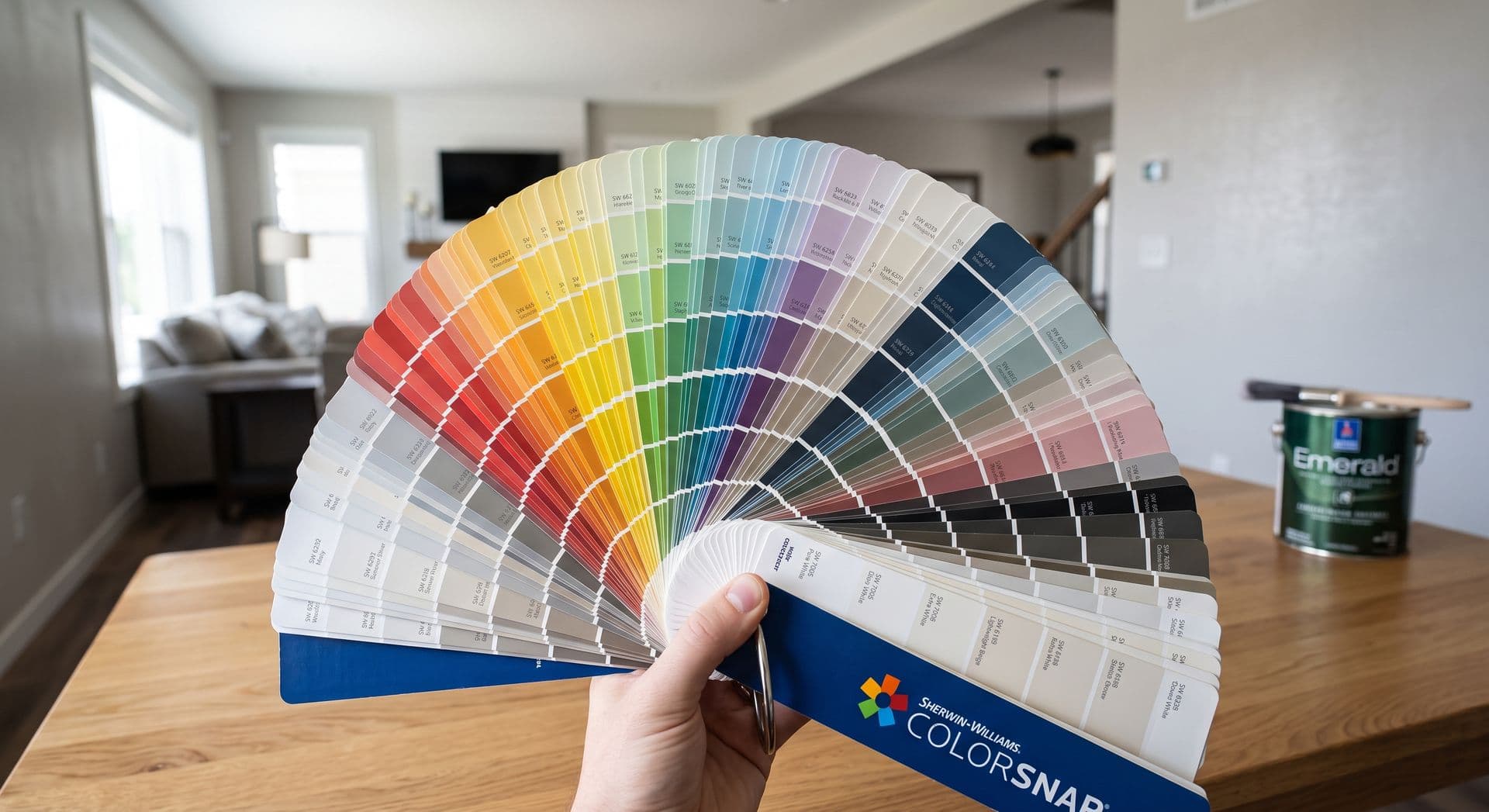
You do not need to have your final paint colors selected before your estimate. However, having a general direction helps your estimator understand your goals and identify anything that could affect the scope of work.
Before your appointment, it helps to consider:
- Whether you are staying close to your existing colors or making a major change
- Whether you are considering light, dark, or bold colors
- If you want accent walls or multiple color areas
- Whether you would like help selecting colors
Some color changes require additional preparation, specialty primers, or extra coats to achieve the right coverage and finish. These details can affect the overall cost and timeline of your project.
If you are still undecided, don't worry. Color selection is a process, and our team is happy to help guide you toward options that fit your home's style and your goals.
7. Assuming Square Footage Is the Only Cost Factor
Two homes with the exact same square footage can require wildly different investments. Painting estimates are influenced by much more than size alone. Factors like ceiling height, surface condition, the amount of preparation required, repairs needed, paint products selected, number of colors, accessibility, timeline, and overall project complexity all play a role in the final cost.
To see how these variables impact budgets across the Wasatch Front, check out our companion pricing guides:
- How Much Does It Cost to Paint a Home Interior in Utah? 2026 Pricing Guide
- What Is the Average Cost Per Square Foot to Paint a House Interior in Utah?
- How Much Do Cabinet Painting Costs in Utah? 2026 Pricing Guide
- How Much Does It Really Cost to Paint a House Exterior in Utah? (2026 Pricing Guide)
8. Not Discussing Your Timeline Early Enough
Your desired timeline is an important part of planning your painting project. If you have a specific deadline, be sure to mention it during your estimate.
Are you hoping to have your project completed before:
- Moving into a new home
- Listing your home for sale
- A holiday or family visit
- Another remodeling project
- A specific event or deadline
Sharing your schedule early helps your contractor understand your priorities, plan the right approach, and let you know what is realistic based on availability and project scope. The sooner everyone understands the timeline, the easier it is to keep the project moving forward.
Your timeline can also influence the recommendations made for your project. A homeowner preparing to sell may have different priorities than someone investing in a finish they want to enjoy for the next 10 years. Understanding your goals helps your contractor recommend the right approach for your situation.
9. Comparing Estimates Based Solely on the Bottom-Line Price
Comparing two painting estimates based only on the final number is like comparing a base-model sedan to a fully loaded truck—they may both get you where you need to go, but the features, quality, and capabilities are very different.
Instead of looking only at the price, compare what is actually included:
- Preparation process
- Paint products and materials
- Repairs included or excluded
- Warranty coverage
- Communication expectations
- Professionalism, Experience, and reviews
- Project timeline
- Overall scope of work
A lower estimate may look appealing upfront, but the cheapest option does not always provide the best value. The goal is not simply to hire the lowest-priced painter—it is to choose a contractor whose process, expectations, and workmanship align with what you want from your project.
WHAT HAPPENS DURING A PROFESSIONAL PAINTING ESTIMATE? Our 7-Step Consultation

Homeowners often ask:
“What actually happens during a Rosewood Painting estimate?”
A professional painting estimate should be about more than walking through your home and providing a price.
It should help you understand your options, identify what your project actually requires, and give you confidence that you are making the right decision before any work begins.
Here is what you can expect during your consultation.
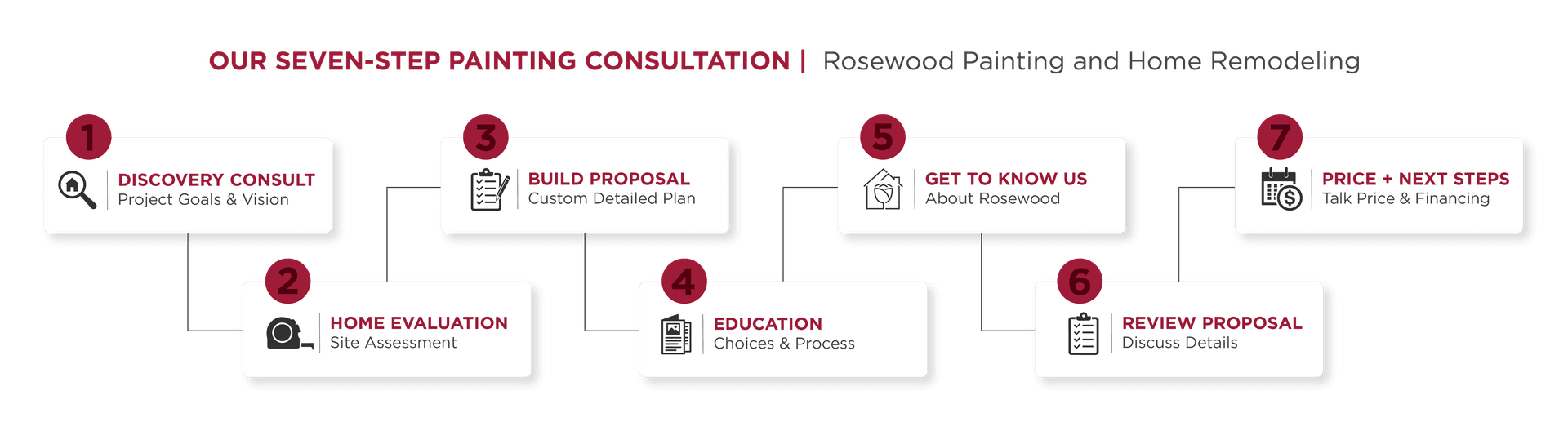
Step 1: Discovery & Consultation
Every successful painting project starts with understanding what you are trying to accomplish.
Before measurements are taken, the conversation begins with your goals, concerns, and expectations for the finished project.
During this part of the consultation, we will discuss:
- What areas you would like painted
- Your goals and priorities
- Your timeline
- Any problem areas or concerns
- Your expectations for the finished result
This helps ensure the recommendations are based on what you want to accomplish—not simply the size of the project.
Step 2: Evaluating Your Home and Documenting Your Project
Once your goals are understood, the next step is gathering the details needed to create an accurate proposal.
During the evaluation, your estimator will:
- Review the areas being painted
- Measure surfaces
- Look for preparation needs and repairs
- Identify potential challenges
- Document important project details
A professional estimate requires more than simply calculating square footage. Understanding the condition of your home allows for a more accurate scope of work and fewer surprises later.
Step 3: Preparing Your Customized Proposal
After gathering the necessary information, your estimator will typically step out to the mobile office vehicle for approximately 15–20 minutes to prepare your proposal.
Your proposal is created specifically for your home and outlines the details involved with your project, including:
- Areas included
- Preparation requirements
- Repairs
- Paint systems
- Optional upgrades
- Investment details
In most cases, you will receive your proposal the same day.
Step 4: Education Before Sales
A successful home improvement project starts with an educated homeowner.
Before discussing pricing, the consultation includes information designed to help you understand what to look for when choosing a contractor.
At the beginning of each appointment, we provide homeowners with the Certified Contractors Network (CCN) guide: How to Have a Successful Construction Project
Together, we will discuss:
- What makes a great contractor
- Questions every homeowner should ask
- Common mistakes to avoid
- How to compare proposals fairly
Whether you choose Rosewood Painting or another contractor, the goal is for you to have the information needed to make a confident decision.
Step 5: Getting to Know Rosewood Painting
Choosing a painting contractor is about more than selecting a price. It is about understanding who will be working in your home and how the project will be handled.
During this part of the consultation, you will learn more about:
- Our company history and brother-owned background
- Our painting process
- Licensing and insurance
- Certifications and training
- Warranties
- What makes the Rosewood experience different
This gives you the opportunity to determine whether our approach matches what you are looking for in a contractor.
Step 6: Reviewing Your Proposal Together
A proposal should explain more than just a final number.
During this step, we will walk through your proposal so you understand exactly what is included and why different options may affect the overall investment.
We will review:
- Areas included in the project
- Surface preparation
- Repairs
- Paint products and coatings
- Number of coats
- Doors and trim
- Warranty coverage
- Optional upgrades
The goal is complete clarity before you make a decision.
Step 7: Pricing, Financing & Next Steps
The final step is reviewing the investment and discussing what happens next.
During this conversation, we will cover:
- Project pricing
- Available options
- Financing opportunities
- Estimated monthly payments
- Scheduling availability
- Next steps if you decide to move forward
If financing is helpful, available options can be reviewed to determine what works best for your budget.
You can learn more about our Rosewood financing options here.
The goal of the consultation is simple: provide clear information, answer your questions, and help you make the right decision for your home.
No pressure. No gimmicks. Just honest recommendations and a clear understanding of what comes next.
FREQUENTLY ASKED QUESTIONS: About Home Painting Estimates in Utah
Q: How long does a home painting estimate take?
A: Most consultations take between 45 to 60 minutes. This gives us enough time to understand your goals, complete accurate measurements, and present a detailed, line-item proposal on the spot.
Q: Do I need to move all my furniture before the estimator arrives?
A: Not for the estimate! Just make sure we have clear pathways to walk through the rooms and inspect the walls, trim, and windows.
Q: Are Rosewood's estimates free?
A: Absolutely. Our educational consultations carry zero obligation and zero pressure.
THE FOUNDATION OF A SUCCESSFUL PAINTING PROJECT
Preparing for your estimate takes very little time, but it can make a significant difference in the success of your project. When you understand your goals, communicate your priorities, and know what questions to ask, you can make better decisions and avoid many of the frustrations homeowners experience during the hiring process.
At Rosewood Painting and Remodeling, we believe a successful project starts with trust, transparency, and clear communication before any work begins. Whether you are planning an interior painting project in Davis County, an exterior refresh in Weber County, or a larger remodeling project along the Wasatch Front, our goal is to provide the information and guidance you need to make the right decision for your home.
If you already have an estimate scheduled, we look forward to meeting with you and learning more about your project. If you have not scheduled your consultation yet, you can contact our team by scheduling an estimate below to get started.
Check Out Our Reviews

Mitch and the Rosewood Team are true pros! Outstanding quality with great communication and attention to their clients’ budget. They recently repaired an exterior door for me that I was certain would need replacing. They did excellent work and saved me several thousand dollars compared to what a full replacement would have cost.
Mitch and his group do an amazing job at window replacement. New windows help with home efficency, noise, and so many other things. If you are looking for new windows, I would give them a call, it is well worth the time to talk to them about how they can help you.
The team from Rosewood did an amazing job installing this set of doors to complete a project of turning this room into my wife’s home office. They are kind, competent, and very skilled! They did a great job installing and putting the finishing touches to these doors.
All around a top notch and professional contractors. I had a great experience with their customer service in getting a quote and set up for a cabinet painting job at my home. The team lead for the project Ben and his crew member Drake were very professional and friendly. They did a phenomenal job on our cabinets and cleaned up everything thoroughly. Couldn’t have asked for a better team!
Great company with good communication and quality work. I have used them for two projects so far and satisfied with both. Pricing is reasonable and they are flexible to adjust the bid as needs require. Highly recommended.




Contact Us
Mon-Fri: 8:00am-5:00pm
Sat-Sun: Closed