
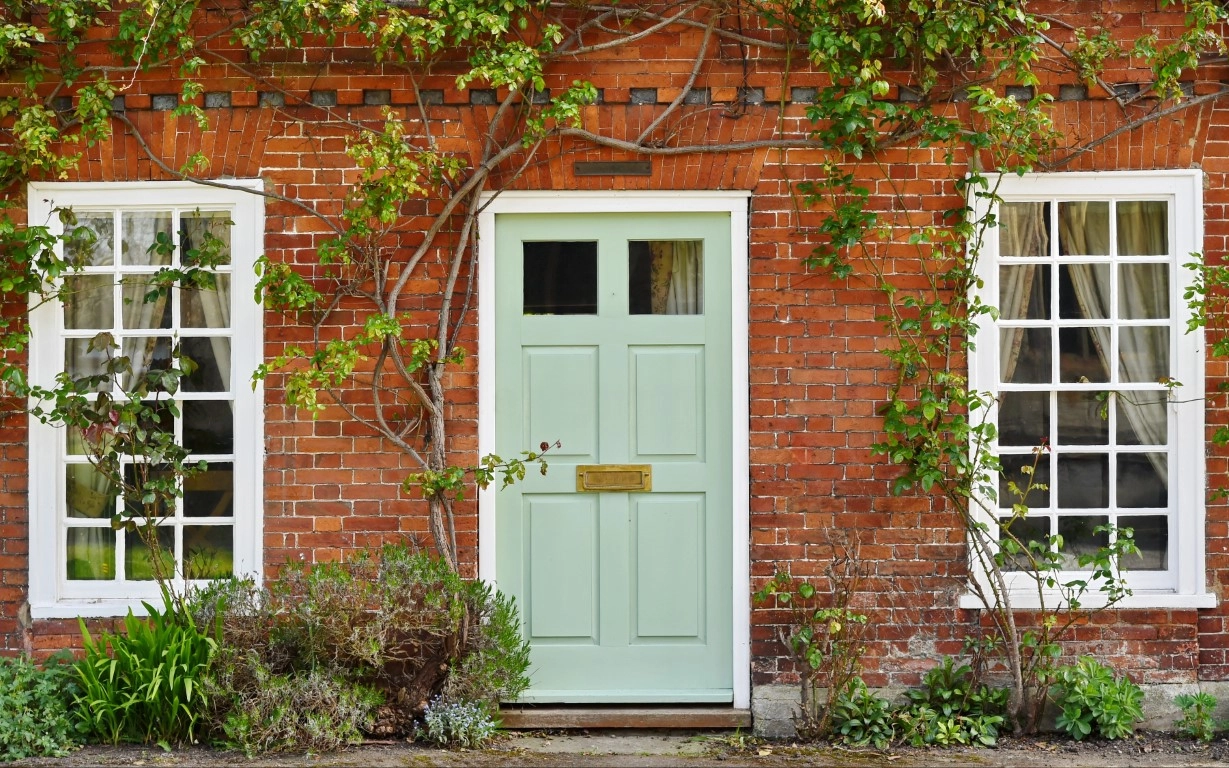
Your exterior doors take on a significant amount of responsibility. They protect your home from the elements, improve energy efficiency, enhance curb appeal, and help keep your family safe. Over time, wear and tear can take a toll, often in subtle ways that are easily overlooked. If you’re unsure whether your doors are still doing their job, watch for these signs that indicate it’s time for a replacement.
1. Drafts or Noticeable Temperature Changes
If you feel cold air sneaking in during winter or hot air creeping in during summer, your exterior doors may no longer be sealing properly. Worn weatherstripping, warped frames, or poor insulation can all let air leak in, forcing your HVAC system to work harder and increasing your energy bills.
Replacing an inefficient door can improve indoor comfort and lower heating and cooling costs year-round.
2. Visible Damage or Warping
Cracks, dents, rust, rot, or warping are clear indicators that your door has seen better days. Wooden doors are especially prone to swelling and rot from moisture exposure, while metal doors can dent or corrode over time. Structural damage weakens your door, reduces security, and can lead to water intrusion in your home.
3. Difficulty Opening or Closing
Do you have to push, pull, or lift your door just to get it to open or shut? A door that sticks, requires excessive force, scrapes the floor, or won’t latch properly may be warped or out of alignment. Beyond daily frustration, a poorly functioning door can compromise security and may completely fail if not addressed.
4. Rising Energy Bills
If your energy costs are climbing and your home feels less comfortable, you could be dealing with outdated exterior doors. Older doors often lack modern insulation and energy-efficient construction. New energy-efficient doors help reduce air leakage and can significantly improve your home’s overall efficiency.
5. Excessive Outside Noise
If street noise, neighbors, or weather sounds seem louder than they used to, your exterior doors may no longer provide adequate sound insulation. A new insulated door designed to reduce sound transmission can help create a quieter, more peaceful indoor environment.

6. Moisture, Condensation, or Water Leaks
Moisture buildup, condensation between door components, peeling or bubbling paint, or visible water leaks around the frame often point to seal failure or frame deterioration. If left unchecked, moisture problems can lead to mold growth, interior damage, health concerns, and costly repairs.
7. Outdated Style or Poor Curb Appeal
Your front door plays a major role in how people first perceive your home. If your doors look dated, faded, or don’t match your home’s style, they may be dragging down curb appeal. Replacing them with more stylish or modern doors can boost curb appeal and potentially increase the value of your home.
8. Security Concerns
Older doors may lack modern locking systems or strong core materials. If your door feels flimsy, has wobbly handles, or outdated hardware, it may not provide the protection you want. New exterior doors have improved materials, reinforced frames, and advanced lock options for greater peace of mind.
9. Age of the Door
Even if your door looks fine on the surface, age alone can be a factor. Many older doors lack proper insulation, tight seals, and modern locking systems. If your exterior door is 20 to 30 years old, replacement often delivers better performance than ongoing repairs.
If you’re unsure if it’s time, calculate the annual maintenance costs for your current doors and compare them to the long-term benefits of installing new doors that come with manufacturer warranties.
10. Frame and Threshold Condition
The door slab isn’t the only thing that matters. A damaged or rotting frame and worn threshold can lead to drafts, water intrusion, and alignment problems. If the frame is compromised, a door replacement is usually more effective than swapping the door panel alone.
Energy Efficiency Features to Look For
When upgrading, look for features designed to improve efficiency and comfort:
- Insulated cores
- Tight weatherstripping and multi-point seals
- ENERGY STAR® ratings
- Proper professional installation
These features help minimize air leakage and keep indoor temperatures consistent.

When Replacement Makes Sense
Minor issues like worn weatherstripping can sometimes be repaired. However, if you’re dealing with multiple problems or significant damage, you should consider investing in a replacement. A new exterior door can improve comfort, safety, energy efficiency, and the overall look of your home.
If you notice one or more of these signs, it may be time to explore exterior door replacement options and choose a solution that fits your home’s style and performance needs.

