Layton Bountiful Utah Rosewood Painting and Remodeling

Rosewood Painting and Remodeling

Refer a Friend Get a Quote (385) 348-5022
  • Painting
    • Cabinet Painting
    • Cabinet Refinishing
    • Custom Interior Trim & Wall Treatments
    • Deck Painting & Staining
    • Epoxy Floor Coatings
    • Exterior Painting
    • House Painting
    • Interior Painting
    • Painted Brick & Stucco
    • Pressure Washing
  • Bathroom Remodeling
    • 1 Day Bathroom Remodeling
  • Windows & Doors
    • Window Replacement
    • Exterior Doors
  • Commercial Painting
    • Tenant Improvements
  • Portfolio
  • About
    • Blog
    • Reviews
    • Financing Options
    • Estimate

Accent Walls vs. Full Room Colors: Which Is Right for You?

Home | Painting | Page 2

Accent Walls vs. Full Room Colors

When deciding to paint a room, you need to not only choose the right color but also think about how to apply it. Should you make a bold statement with an accent wall, or embrace a single color throughout the entire room? Both approaches can be stunning when done right, but the best choice depends on your space, style, and goals.

Let’s break down the pros, cons, and best uses of each to help you decide which option best suits your home. 

Accent Walls 

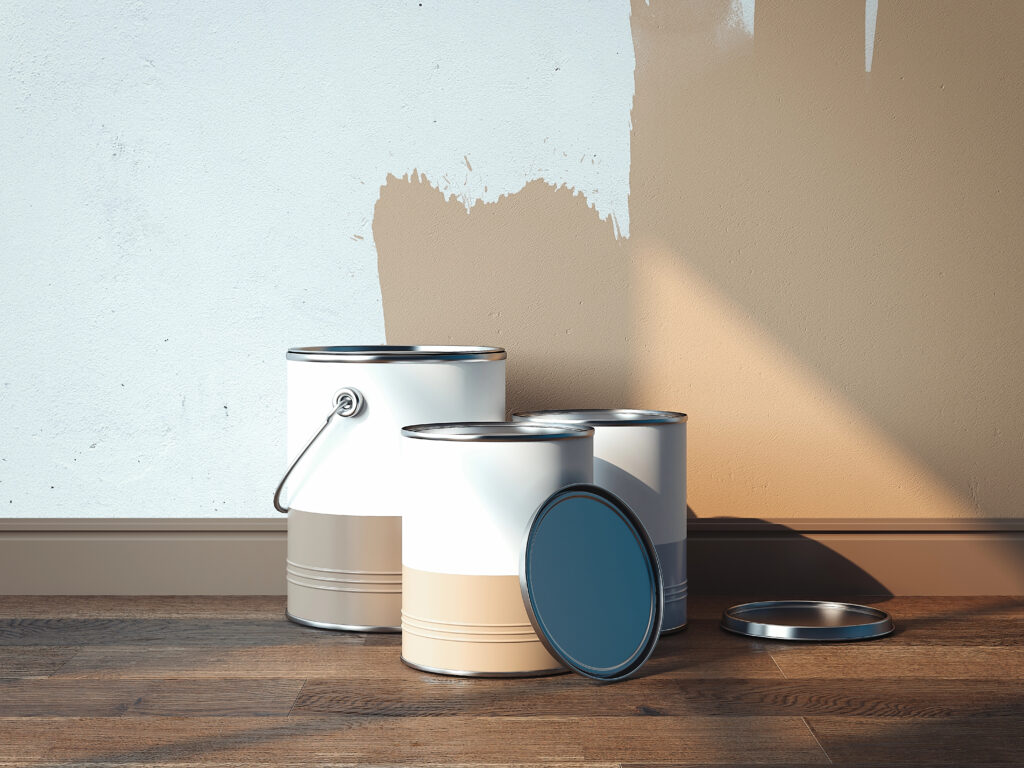
An accent wall is a single wall within a room that is intentionally different from the others in terms of color, texture, or material to create a focal point. It’s a simple way to add personality without overwhelming the space. 

Pros 

Creates a Focal Point — An accent wall draws the eye in and allows you to highlight architectural features, such as fireplaces or built-ins, or create a focal point behind a bed or couch. 

Adds Color Without Commitment — If you love bold colors but aren’t ready to commit to covering an entire room, this provides a great middle ground. 

Easier to Change — Repainting one wall is quick and budget-friendly if your style evolves. 

Cons 

Risk of Looking Dated — Trends change, and what was once a bold and beautiful accent wall can feel dated later on. 

Can Make Rooms Feel Smaller — If an accent wall is too busy or too dark, it can make a small space feel even smaller and more closed in. 

Poor Placement Can Backfire — Choosing the wrong wall, such as one with too many windows, doors, or architectural flaws, can highlight imperfections and weaken the design. 

Can be Divisive for Resale Value — A bold or trendy accent wall may not appeal to a future buyer, potentially affecting the home’s appeal. 

Best Rooms for Accent Walls 

  • Living rooms (behind a couch or entertainment center).
  • Bedrooms (behind the bed).
  • Dining rooms (to emphasize a statement light fixture or art piece).

Tips for Success 

Stick with colors that contrast yet complement the surrounding walls. Neutrals with one rich hue, like navy, forest green, or terracotta, often work beautifully. 

Layton Bountiful Utah Interior Painting

Full Room Colors 

Painting all the walls one color creates a more immersive, cohesive feel, which is especially effective if you want the room to feel cozy, dramatic, or polished. 

Pros 

Creates Atmosphere — Full-color rooms set a consistent mood. Use soft blues to create a calming atmosphere, deep grays for a sophisticated touch, or warm neutrals for a comfortable, cozy feel. 

Enhances Architectural Flow — Painting the entire space helps unify large or open-concept rooms. 

Can Make Small Spaces Feel Larger — Lighter tones across all walls can open up the room visually. 

Cons 

Potential to Feel Dark — Darker colors can make a room feel smaller, and if a room doesn’t have much natural light, it can appear gloomy. 

High Cost and Time Commitment — A full-color project requires more paint and labor, and mistakes are more costly and harder to correct. 

Lack of Flexibility — It’s a long-term decision that makes future color changes more difficult, as it’s a bigger commitment to change than just a single accent wall. 

Architectural Features Can Be Lost — Painting the trim the same color can sometimes make the room look flat and cause architectural details to go unnoticed. 

Best Rooms for Full Room Color

  • Bedrooms and offices where you want a specific mood. 
  • Bathrooms or powder rooms (a perfect place to go bold).
  • Open-concept spaces needing visual harmony. 

Tips for Success

Balance strong colors with neutral furniture and decor to prevent the room from feeling too enclosed or dark.

How to Choose What’s Right for You

Ask Yourself:

What’s the Goal? Do you want the room to be full of energy and contrast, or feel calm and cohesive?  

How Big is the Space? Smaller rooms often benefit from consistent color, while larger ones can handle contrast. 

What’s Your Lighting Like? Natural light can make full color rooms feel brighter, while darker corners may benefit from a single accent wall. 

If you’re still unsure, try an accent wall first, as it allows you to experiment without fully committing. 

Layton Bountiful Utah Interior Painting

The Bottom Line 

Whether you opt for an accent wall or decide to paint the entire room, color can be a powerful tool in home design. The right choice can highlight your home’s best features and reflect your personality. 
If you’re ready to refresh your walls but not sure where to start, our professional painters can help you choose the perfect colors and finishes for your space.

Filed Under: Painting

Painting Tips to Make Any Small Room Feel Feel Bigger

When you have limited space, the right paint can work wonders. Whether you want to enhance a tiny bedroom, a narrow hallway, or a small living room, the right colors and technique can dramatically change how spacious your home feels. Here’s how to use paint to make any small room look and feel bigger.

1. Stick with Light, Neutral Colors 

Light colors reflect more light than darker colors, instantly making a space feel bigger, more open, and airy. Consider shades of white, beige, soft gray, or pale blue to create a spacious and timeless effect. Use a slightly warmer or cooler undertone depending on your lighting. Warm whites and beiges open up rooms with little natural light, and cool tones such as blue and green work well in sunnier spaces. 

2. Use One Color Throughout

Painting your walls, trim, and even ceilings in similar tones reduces visual breaks, allowing the eye to travel smoothly across the room. This creates the illusion of continuity — and more space. Paint the walls and trim the same color but use different finishes, such as matte for the walls and semi-gloss for the trim. 

3. Try a Lighter Ceiling Color 

Use a slightly lighter ceiling color than your walls to draw the eye upward and make the ceiling feel higher. White or off-white ceiling are classics for a reason — they expand vertical space and brighten the room. Use semi-gloss paint to add extra brightness and dimension, and paint crown molding in a slightly darker shade for added definition. 

4. Add an Accent Wall (Strategically)

While too many contrasting colors can make a small room feel crowded, a wall-placed accent wall can actually create depth and make a room feel bigger. Choose a slightly darker shade for the farthest wall in the room to make it appear farther away. This technique works especially well in bedrooms and living rooms. Consider adding wood paneling or decorative molding for a creative touch. 

layton utah painting

5. Embrace Glossy or Satin Finishes 

Light reflects better off glossier finishes. A satin or eggshell finish can bounce light around the room, making it feel bigger and more open. However, you should use this effect strategically, as too much shine can highlight imperfections; reserve it for smooth, well-prepped walls or around baseboards, windows, and doors. 

6. Consider Color Flow Between Rooms

If your small room connects to another space, keep the color palette consistent or use complementary tones. This helps create a visual flow and prevents harsh transitions that can make each area feel smaller. This includes the doors; painting them the same color as the walls helps them “disappear” into the background. 

7. Use Vertical and Horizontal Tricks 

You can manipulate how large a space feels by how you apply paint: 

  • Vertical stripes make ceilings appear higher.
  • Horizontal stripes can make narrow rooms feel wider.
  • Painting the lower part of the wall slightly darker than the top, known as a two-tone effect, adds visual height. 

8. Don’t Forget the Trim 

Painting the trim and moldings a shade lighter than the walls can make them recede, subtly enlarging the space. For a sleek, modern look, you can even paint the trim the same color as the walls for a bigger and more continuous feel. 

Other Tips for Making a Room Appear Bigger

Add Mirrors — Mirrors reflect light and create the illusion that there’s more space. Incorporate hanging mirrors, bookshelves with mirrors, or furniture with a mirrored finish and visible legs for a spacious effect.  

Consider Flooring — Invest in light wood flooring or beige carpets to create an open, cohesive look. 

Test Paint Colors Under Different Lighting — Paint colors can look different depending on the lighting. Test color swatches under various conditions to ensure you will love the color, and it will help the room feel bigger. 

Hang Curtains High — Install curtain rods close to the ceiling and let curtains fall to the floor to give the illusion of taller windows and a higher ceiling. 

Declutter — A messy room feels smaller, so clear out unnecessary items and use built-in storage to keep things tidy. Consider installing floating shelves or tall, narrow bookshelves to free up floor space and utilize the vertical area of the room. 

8 Painting Tips to Make Any Small Room Feel Feel Bigger

Use Paint to Open up Your Home

Making a small room feel bigger doesn’t have to involve major renovations; just the right paint and techniques. By choosing lighter colors, maintaining color flow, and using finishes that reflect light, you can create an illusion of a larger, more open space. Whether you’re freshening up one room or your entire home, thoughtful paint choices can completely transform how spacious and welcoming your home feels.

Filed Under: Painting

9 Signs You Need to Replace Your Home’s Windows

Your home’s windows play an important role in comfort, energy efficiency, and curb appeal. But like every part of your home, they don’t last forever. If your windows are starting to show their age, replacing them could save you money, improve your comfort, and refresh your home’s look. Here are some of the most common signs that you should invest in new windows. 

1. Drafts or Temperature Fluctuations

If you feel cold air seeping in during winter or warm air sneaking through during summer, your windows most likely have gaps, cracks, or failing seals letting outside air in. These drafts make it harder for your HVAC system to maintain a consistent temperature, which can, in turn, raise your energy bills. 

2. Condensation Between Panes

Double- and triple-pane windows are filled with insulating gas to prevent heat transfer. If you notice condensation or cloudiness between the panes, it means that the seal is broken and gas has escaped. Once this happens, the window loses its insulation ability and can lead to foggy, unattractive glass. 

3. Difficult to Open or Close

Windows that stick, jam, or won’t stay open aren’t just frustrating; they’re also a sign of structural problems. Warping, rot, or balance issues can make windows unsafe and inefficient and expose your home to the elements. Replacing them ensures smooth operation, better functionality, and a safe home for your family. 

4. Visible Damage or Decay

Cracked glass, water damage, or rotting frames not only look uninviting but can also lead to bigger issues, such as leaks and mold. If the frame or sash deteriorates, you may save more money by opting for a replacement over making repairs. 

Note: Water stains or bubbling paint around your window frame could indicate a leak or significant moisture damage. 

extra living space UT

5. Rising Energy Bills 

Old, single-pane, or poorly sealed windows let conditioned air escape, forcing your heating and cooling systems to work harder. New energy-efficient models include argon gas between panes of glass to improve insulation, reduce thermal transfer, and significantly lower your energy costs throughout the year. You can also use foam insulation to further maximize your energy savings. 

6. Noise From Outside

If you can clearly hear traffic noise, neighbors talking, or dogs barking even with the windows closed, you may need an upgrade. Modern insulated options offer better soundproofing, giving you a quieter, more peaceful home environment. 

7. Faded Interiors 

If you notice the wood flooring or furniture in areas where the sun shines into your home has started to fade, you may not have the most energy-efficient windows. If you upgrade to a low-emissivity or low-E glass coating, you can block harmful UV rays and extend the life of your couches, chairs, rugs, and flooring, as well as keep your house cooler. 

8. Increased Allergy Symptoms 

Ineffectively sealed windows allow allergens to enter your home more easily, leading to increased sneezing, watery eyes, and other allergy symptoms. Investing in windows with proper seals will help keep you and your family happy and healthy.

9. Poor Curb Appeal 

Your windows play a big role in the impression your house makes. If they are distracting from the vision you had for your home and diminishing your curb appeal, it may be time for an upgrade. New stylish options can help your home feel more like you and increase your home’s value by at least 15%. You can choose from many colors and grid patterns to get exactly what you want. 

How to Extend the Life of Your Windows

With proper care, fiberglass windows can last 30 to 50 years, vinyl units 20 to 40 years, and wood and aluminum options 15 to 30 years. To extend their lifespan, you should: 

  • Inspect seals and caulk once a year to catch cracks or gaps and reseal if needed to prevent air leaks and drafts. 
  • Keep tracks free of dirt and debris to ensure the windows can open and close smoothly. 
  • Fix any peeling paint or finish to prevent rot or weathering. 
  • Clean the glass, screens, and frames regularly to prevent buildup. 
  • Lubicrate hinges, tracks, and locks to ensure they operate smoothly and prevent wear. 
utah window cleaning bountiful

The Bottom Line

When you replace your windows, you invest in your comfort, your home’s efficiency, and your property’s overall style. If you notice any of these signs, such as rising energy bills or visible wear, it may be time to consider a window replacement. Modern windows not only look great but also provide long-term savings and improved comfort for your entire home.

Filed Under: Painting, Home Remodeling

  • « Previous Page
  • 1
  • 2
  • 3
  • 4
  • …
  • 23
  • Next Page »

Hours

Rosewood Painting and Remodeling

893 Marshall Way N
Layton, UT 84041

385-348-5022

Alt:385-503-4407

MONDAY 8:00 AM - 5:00 PM
TUESDAY 8:00 AM - 5:00 PM
WEDNESDAY 8:00 AM - 5:00 PM
THURSDAY 8:00 AM - 5:00 PM
FRIDAY 8:00 AM - 5:00 PM
SATURDAY CLOSED
SUNDAY CLOSED

Directions

Follow Us

Contact Us

2026 | Rosewood Painting and Remodeling | All Rights Reserved | Privacy Policy | Terms | Accessibility Statement | Anti-Discrimination Disclaimer | XML Sitemap | Sitemap | Site by PDM